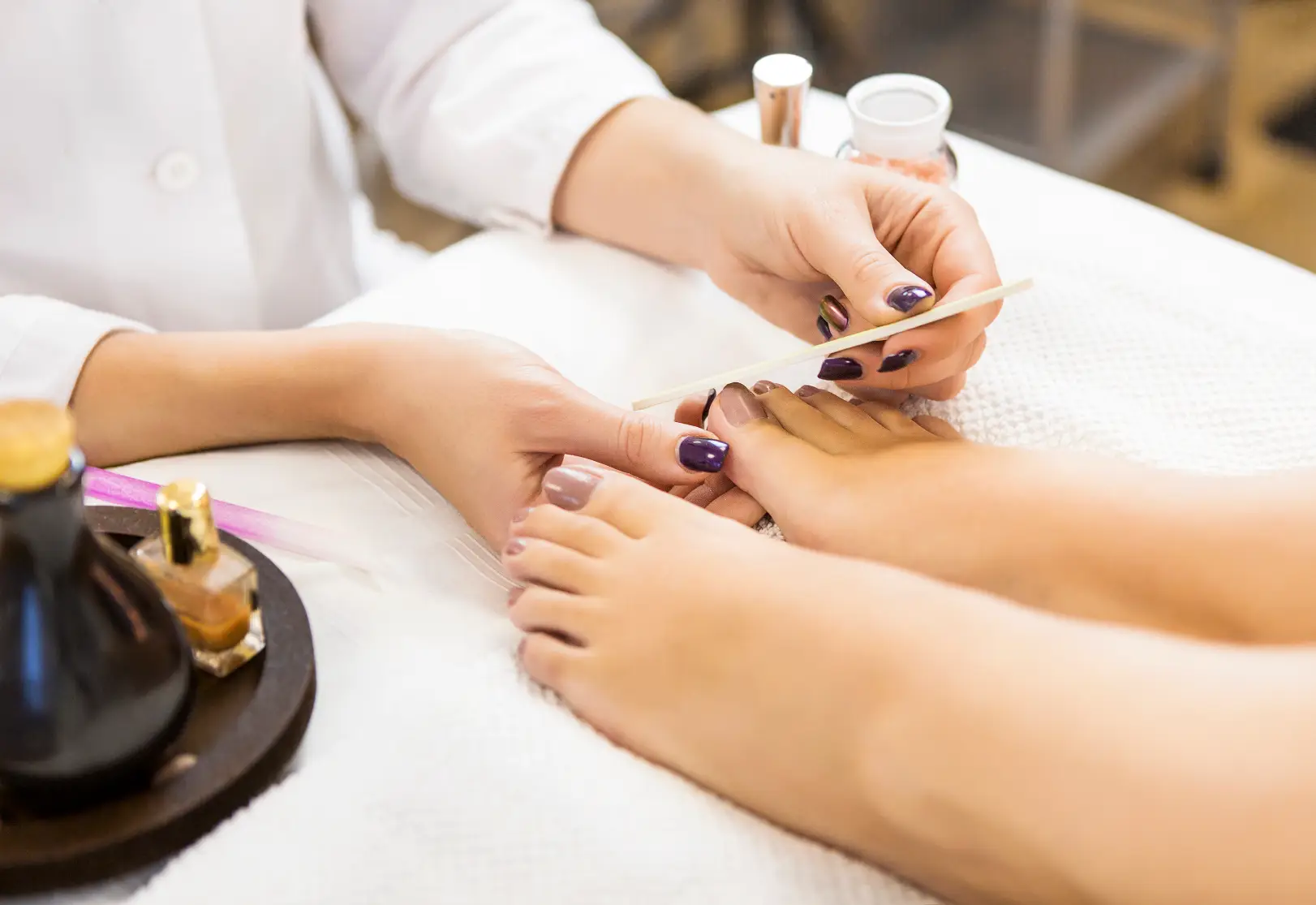
Pretty toenails may be what you notice first, but healthy-looking feet involve much more than a fresh coat of polish. Dry heels, stubborn calluses, rough patches, and recurring areas of thickened skin can make even a beautiful pedicure feel unfinished. A pedicure can address both appearance and care, but the method used makes a significant difference when the feet need more than routine grooming.
A KART pedicure takes a more specialized approach. Rather than relying on blades or aggressive filing, it uses professional KART products, enzymatic peeling, keratolytics, and targeted softening products to address rough or hardened skin.
The treatment is designed around the condition of the feet, making it particularly interesting for patients dealing with persistent dryness and calluses. Keep reading to see why this approach goes well beyond the familiar spa pedicure.
What Sets a KART Pedicure Apart?
Not every pedicure is designed to solve the same problem. While a traditional service may emphasize grooming and relaxation, KART focuses much more closely on the condition of the skin and the specific concerns affecting the feet.

1. It Starts With the Feet, Not the Polish
A conventional spa pedicure often follows a familiar routine. The feet are soaked, nails are shaped, rough areas may be filed, and polish finishes the appointment. Those steps can leave the feet looking refreshed, but someone dealing with stubborn calluses or chronic dryness may need a more targeted approach.
A KART pedicure begins differently because the specialist first evaluates the feet. Skin type and condition are considered before an appropriate KART protocol is selected. That assessment helps shape the products and techniques used during the appointment rather than putting every patient through exactly the same routine.
This is an important difference for anyone whose concerns extend beyond cosmetic nail care. Dryness, cracked heels, sensitive areas, and thick calluses do not necessarily need identical treatment. Looking at the condition of the feet first makes the service more individualized.
The toenails can still look polished and cared for afterward, but they are not the entire story. KART shifts more attention toward improving how the skin of the feet looks and feels.
2. It Takes a Cosmetological Approach
The KART system was developed by KART Podiatry in Israel and takes a cosmetological approach to foot care. Its professional products are formulated to address rough and hardened tissue without depending primarily on aggressive mechanical removal.
This is one reason the treatment is sometimes discussed alongside the idea of a medical-grade pedicure. The source material specifically describes KART as a medical pedicure, although the treatment remains a cosmetic foot-care service rather than a substitute for medical diagnosis or treatment by a podiatrist.
That distinction is worth making. A specialized pedicure can improve the appearance and feel of dry, rough feet, but symptoms such as persistent pain, wounds, significant swelling, or concerning nail and skin changes may need medical evaluation.
KART’s appeal comes from making the foot-care portion of a pedicure much more intentional. Instead of treating rough skin as something that simply needs to be scraped away, the protocol uses specialized products selected for the condition being addressed.
3. It Softens Rough Skin Chemically
One of the biggest differences is how KART approaches hardened skin and calluses. Traditional pedicures may depend heavily on files, rasps, or other mechanical methods to physically reduce thickened areas.
KART uses enzymatic peeling, professional keratolytics, and targeted softening products to help break down dead, hardened tissue. This allows callused areas to be treated without relying on blades or harsh filing.
That makes the process more controlled for patients who dislike aggressive scraping. Rather than treating the entire foot with the same intensity, products can be directed toward areas where thickened skin needs additional attention.
A callus removal pedicure should also respect the fact that calluses develop for a reason. Pressure and friction can cause skin to thicken as a protective response. Removing excessive tissue does not address whatever caused that repeated pressure in the first place.
KART therefore offers a different philosophy. The goal is smoother, healthier-looking skin through targeted softening and careful tissue removal rather than simply filing until the foot feels smooth.
4. There Are No Blades or Harsh Filing
Anyone who has experienced aggressive callus removal knows that more is not always better. It can be tempting to remove every trace of thick skin, especially around the heels and pressure points, but excessive mechanical work can leave feet uncomfortable or irritated.
KART’s blade-free approach is one of its defining characteristics. Specialized products soften dead tissue and calluses so the specialist can perform more precise removal without depending on aggressive filing.
This can be especially appealing for patients with sensitive feet. The treatment still addresses rough areas, but it does so with a different strategy than simply applying more friction. It also changes the experience of the appointment. Instead of the focus being on how much skin can physically be removed, the specialist can concentrate on what each area actually needs.
That does not mean every callus should disappear after one treatment. Thick or persistent areas may require ongoing care, particularly if the pressure or friction causing them continues. The aim should be healthier-looking, more comfortable feet rather than aggressive removal for the sake of an immediately flawless surface.
5. The Treatment Includes a Pre-Peel Stage
KART is not simply one product applied to the feet. It follows a more structured protocol, and preparation is part of that process. The treatment includes a pre-peeling stage before specialized softening products are used. This helps prepare the skin for the steps that follow and allows the specialist to work systematically rather than treating roughness as one broad concern.
From there, products can be chosen based on the condition observed during the initial foot assessment. Areas of hardened tissue may need a different focus from areas affected primarily by dryness or sensitivity. This layered process is part of what separates KART from a quick cosmetic pedicure.
Each stage has a purpose, moving from assessment and preparation to softening, precise tissue care, and restorative finishing products. For patients accustomed to a simple soak-and-file service, the difference can be noticeable. KART treats foot care as a complete protocol rather than an accessory to nail polish.
6. It Can Help With Stubborn Calluses
Calluses are among the most common reasons people become dissatisfied with standard pedicures. The feet may look smooth immediately after filing, only for the thickened areas to become noticeable again.
A KART treatment approaches those stubborn areas with professional keratolytic and softening products. These products work chemically on dead and callused tissue, allowing it to be addressed with less dependence on aggressive mechanical removal.
This can make KART particularly appealing to someone who repeatedly books a callus removal pedicure but feels that ordinary filing never quite addresses the problem. However, recurring calluses deserve some detective work too. Footwear, walking patterns, exercise, and repeated pressure can all contribute to thickened skin.
A pedicure can improve the surface condition, but it cannot necessarily remove the underlying source of friction. That is why ongoing foot care can matter just as much as the appointment itself. Professional treatment can address existing roughness, while appropriate home care may help maintain the improvement between visits.
7. Dry, Cracked Heels Get Targeted Attention
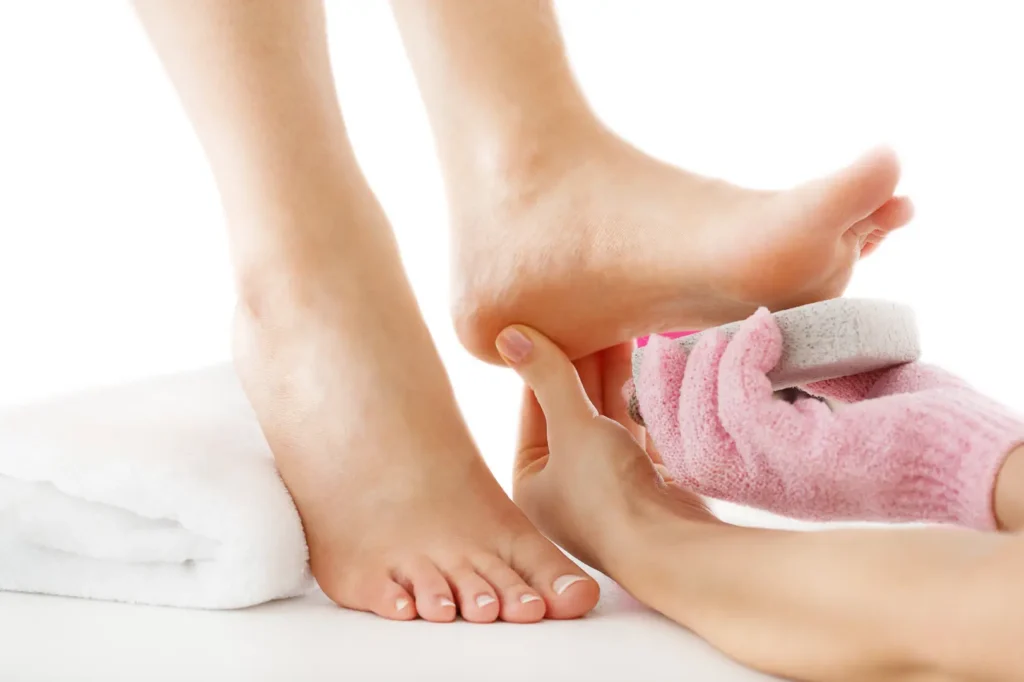
Winter weather, open-backed shoes, prolonged standing, friction, and naturally dry skin can all leave heels looking rough. Once dryness becomes pronounced, simply applying lotion before bed may not feel like enough.
KART is designed with dry and cracked feet among its key concerns. Targeted products help soften rough tissue, while finishing products provide hydration and protection after the removal process.
This combination matters because smoothing and moisturizing are not the same thing. Removing dead surface buildup can improve texture, but the newly treated skin still needs appropriate hydration afterward. A restorative finish therefore becomes more than the relaxing final step of the appointment. It helps support the skin after the more active portions of the treatment have been completed.
Patients with deep, painful, bleeding, or infected cracks should not assume that a cosmetic pedicure is the appropriate solution. Those symptoms can require medical evaluation. KART is best understood as specialized cosmetic foot care rather than a replacement for healthcare when the skin is significantly compromised.
8. It Is Different From a Dry Pedicure
The term dry pedicure generally refers to services performed without the traditional prolonged foot soak. These treatments can have advantages, including allowing the specialist to see the natural condition of the skin without water temporarily changing its appearance.
KART also moves away from the idea that soaking and aggressive filing must be the foundation of foot care. However, what makes KART distinctive is not simply whether water is used. Its identity comes from its specialized product system and protocol.
Enzymatic peeling, keratolytics, targeted softening products, precise tissue removal, and restorative finishing care all contribute to the treatment.
That distinction is useful because beauty terminology can easily become confusing. “Dry,” “medical,” “Russian,” and “KART” pedicures may sometimes appear together in online searches, but they do not automatically describe the same technique.
Understanding what actually happens during an appointment is much more useful than relying on a label alone.
Give Your Feet More Than Polish
A beautiful pedicure can certainly include polished toenails, but the experience does not have to stop there. KART pedicure treatments take foot care further by combining assessment, enzymatic peeling, professional keratolytics, targeted softening, precise tissue removal, and restorative hydration to address the skin as thoughtfully as the nails.
At Sasha Beauty in Alexandria, VA, patients can experience a pedicure designed for feet that need more than surface-level grooming. When dryness, rough heels, or stubborn calluses keep returning, KART offers a specialized approach focused on softer, smoother, refreshed-looking feet without blades or harsh filing.
Call us today to schedule your appointment!