

Dark Spot & Pigmentation Treatment in Alexandria, VA
Fade sun spots, age spots, and uneven skin tone with precision laser technology — no harsh chemicals, no significant downtime.
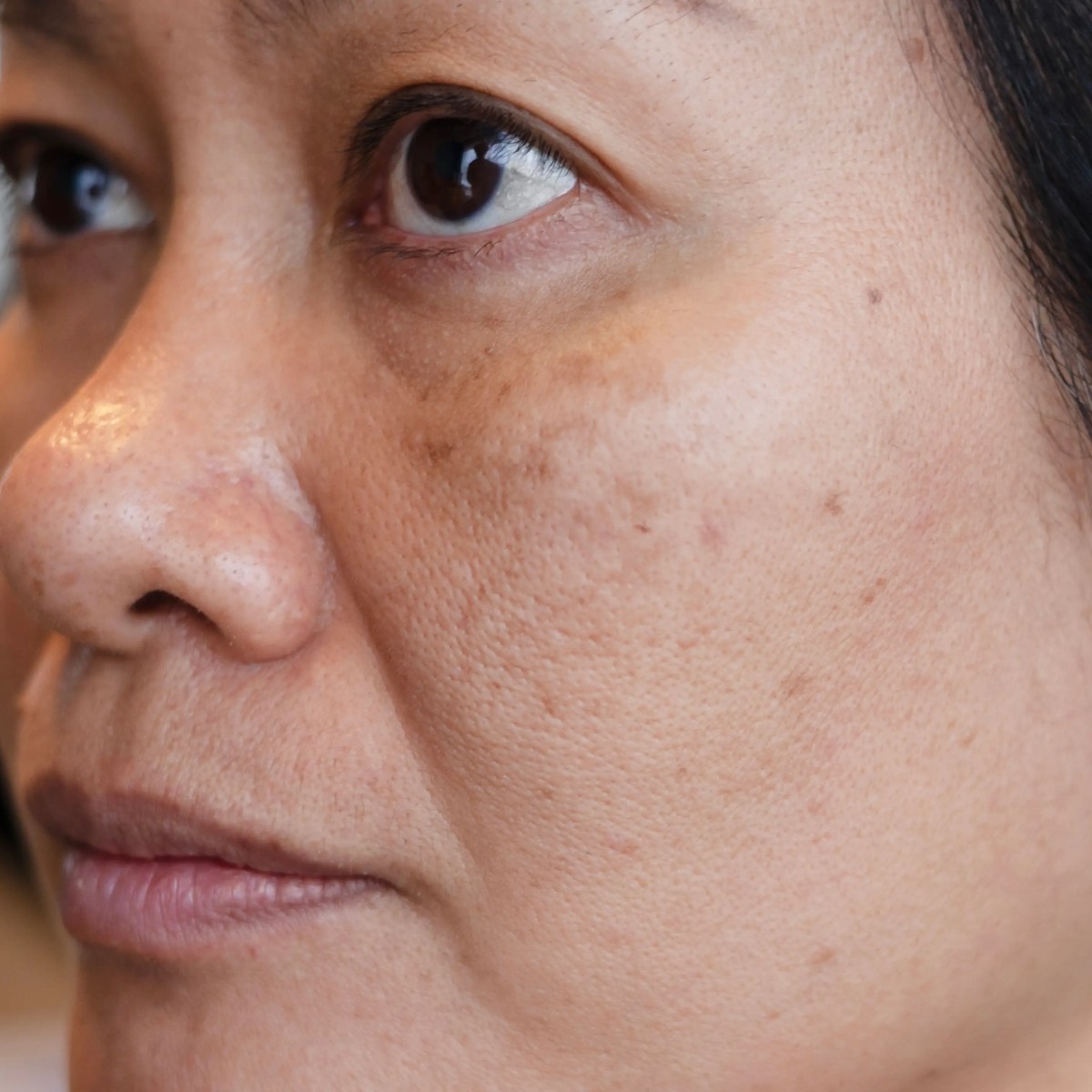
Dark spots are one of the most common reasons people come in for a laser consultation at Sasha Beauty. Sun damage, hormonal changes, old breakouts, and just the natural aging process can all leave behind patches of uneven color that skincare products improve slowly — if at all.
Laser pigmentation treatment works differently. Rather than fading spots gradually over months of topical use, the Clarity II targets melanin directly in the affected skin, breaking up the pigment so the body can clear it naturally. The result is a noticeably more even, brighter complexion — often with just a few sessions.
That distinction matters — and it’s why at Sasha Beauty Laser Center, our team assesses your specific pigmentation type and skin tone before recommending anything. Not all dark spots are the same, and the approach that works for sunspots isn’t always right for melasma or post-acne marks. Getting that assessment right is what separates a good result from a frustrating one.
That conversation starts at your free consultation.
Why dark spots are so hard to treat with skincare alone
Most pigmentation treatments available over the counter work by slowing down melanin production — they’re preventive by nature, not corrective. Even prescription-strength topicals like hydroquinone work slowly and require months of consistent use to produce visible results. And once you stop using them, the pigmentation often returns.
Laser treatment addresses existing pigment directly. The light energy is absorbed by the melanin in the dark area, which heats and breaks apart the pigment clusters. The body then clears the fragmented melanin through its natural processes, and the spot fades from the surface over the following weeks.
It’s a fundamentally different mechanism — and for many types of pigmentation, it produces results that topicals simply can’t match.
What types of pigmentation the Clarity II treats
The Clarity II has been clinically validated to treat a wide range of pigmented lesions. For most surface-level spots, the laser targets the pigment directly and breaks it apart. For deeper pigmentation or darker skin tones, your specialist will adjust the settings to work at a different depth — one that reaches the pigment without affecting the surrounding skin.
Conditions commonly treated:
- Sun spots and solar lentigines — flat brown spots from cumulative sun exposure
- Age spots — similar in appearance, associated with natural aging
- Freckles — whether naturally occurring or sun-induced
- Post-inflammatory hyperpigmentation (PIH) — dark marks left after acne, injury, or inflammation
- Café-au-lait macules — light brown birthmark-type spots
- Seborrheic keratoses — raised, scaly pigmented lesions
- Melasma — hormonal pigmentation, typically on the cheeks, upper lip, and forehead.
A note on melasma: Melasma responds to laser treatment differently than other dark spots. Because it’s driven by hormonal activity, it can recur — particularly with sun exposure or hormonal changes. Laser can significantly reduce its appearance, but it requires careful parameter selection and a realistic understanding of ongoing management. Your specialist will discuss this specifically if melasma is your primary concern.
The Laser We Work On
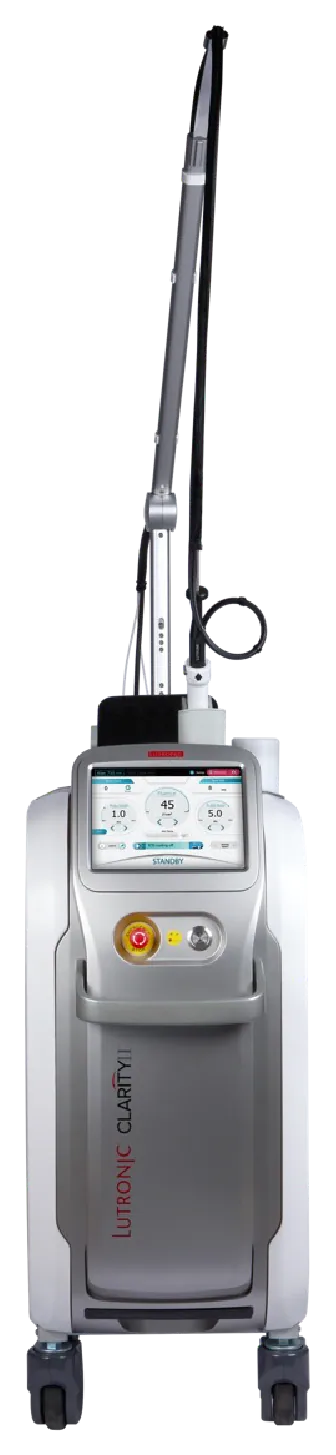
Cynosure Lutronic · 2026 model
Clarity II
Every laser treatment at Sasha Beauty is performed on the Lutronic Clarity II.
- Hair removal, spider veins, rosacea, pigmentation, acne and skin rejuvenation, all on one machine
- Built-in cryogen cooling keeps the skin comfortable throughout the session
- Safe for all skin types
Image courtesy of Cynosure Lutronic.
Results with Clarity II
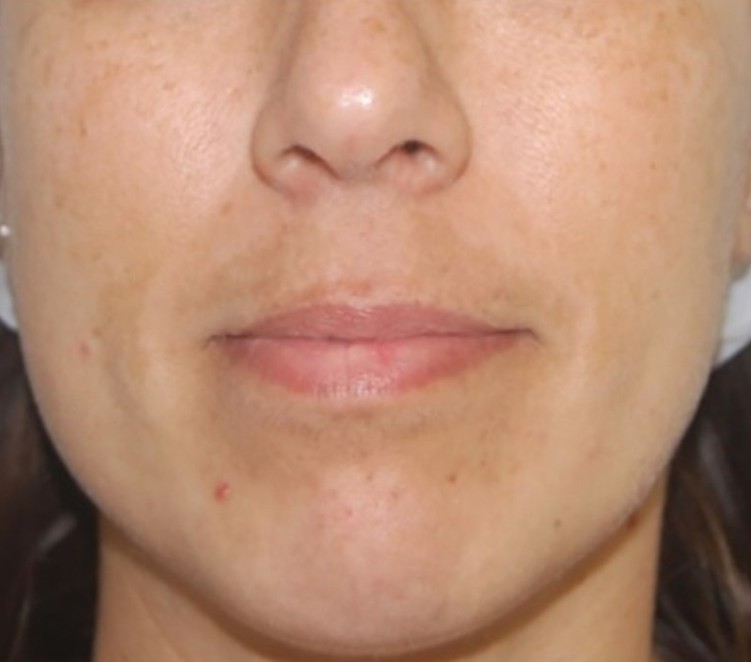
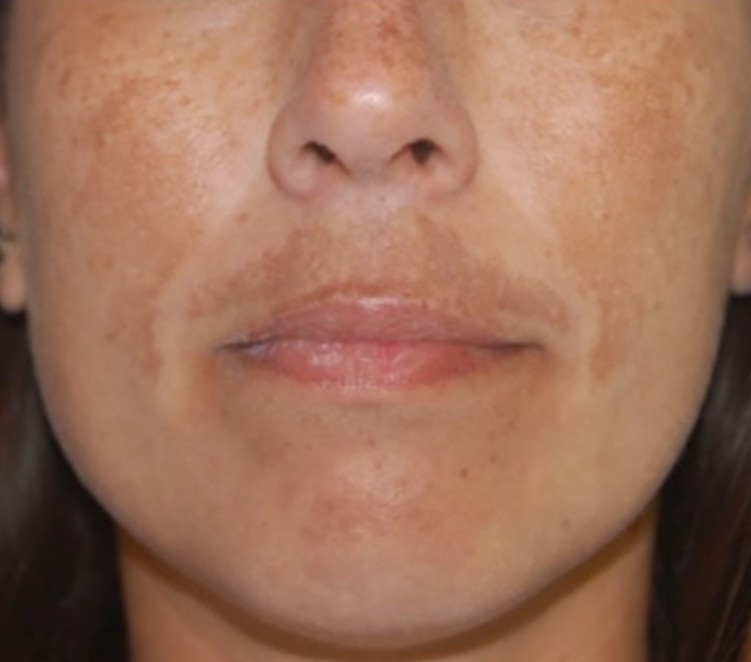 BeforeAfter 3 treatments
What to expect from your treatment
The consultation
Our team will assess your pigmentation type, depth, and skin tone before recommending a treatment approach. This matters — the right approach varies depending on what’s causing the pigmentation and how deep it sits in the skin. They’ll also ask about your skincare routine, any medications you’re taking, and your sun exposure habits, all of which affect both results and safety.
The treatment
Sessions typically take 15 to 30 minutes depending on the size and number of areas being treated. The Clarity II is passed over the pigmented areas, delivering targeted pulses of light energy. Most clients describe the sensation as a quick snap of heat — brief and generally well-tolerated. The integrated cryogen cooling system keeps the skin surface comfortable throughout.
After your session
Treated spots often darken slightly in the days immediately following treatment — this is completely normal and is a sign the process is working. The darkened pigment rises to the surface and naturally flakes away over 5 to 10 days, revealing clearer skin underneath. You may see some mild redness for a few hours after treatment. There is no meaningful downtime.
Sun protection immediately after treatment is essential — and during your entire treatment series. Treated skin is more photosensitive, and unprotected sun exposure can both compromise your results and trigger new pigmentation.
When will you see results?
Results become visible after 1–3 treatments, with continued improvement over time Komalaestheticsandwellness as the body clears the fragmented melanin. Sunspots and age spots tend to respond quickly — some clients see dramatic fading after a single session. Post-inflammatory hyperpigmentation and melasma generally require more sessions and a longer timeline.
Full results are typically assessed 4–6 weeks after your last session, once the skin has completed its clearing process.
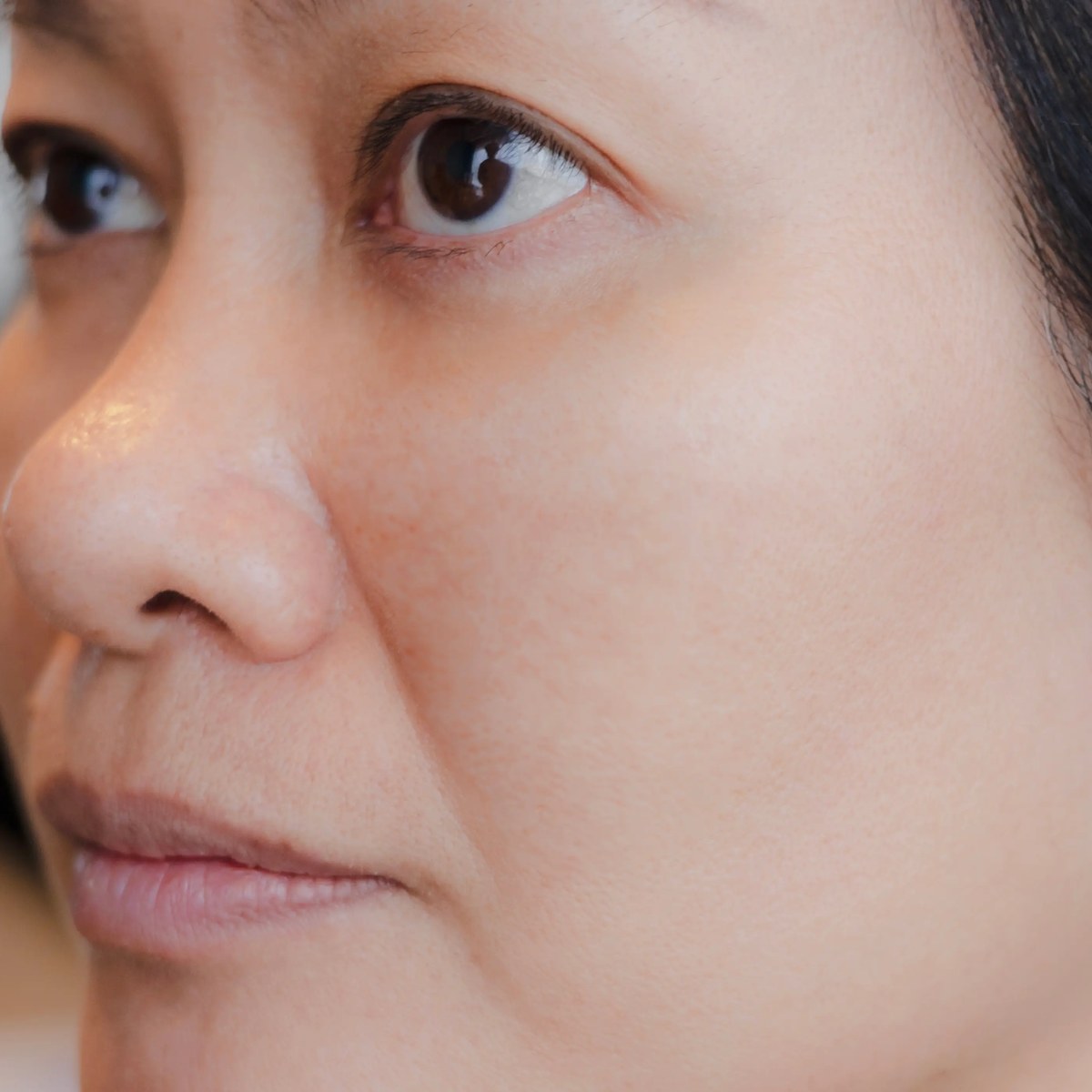
 BeforeAfter
How many sessions will you need?
The number of sessions depends on the type of pigmentation, how deep it sits, and how your skin responds. As a general guide:
- Sunspots and age spots — often 1 to 3 sessions
- Freckles and café-au-lait macules — typically 1 to 3 sessions
- Post-inflammatory hyperpigmentation — generally 2 to 4 sessions
- Melasma — variable; a series of sessions is typical, often with ongoing maintenance
Your specialist will give you a more specific estimate at your consultation after assessing your skin directly.
Is this treatment right for you?
Laser pigmentation treatment is well-suited if you:
- Have visible dark spots from sun damage, aging, or past breakouts
- Have tried topical treatments without satisfying results
- Want to address pigmentation more directly and efficiently
- Are willing to commit to sun protection before, during, and after treatment — this is non-negotiable for good results.
Pigmentation treatment requires that your skin not be actively tanned at the time of treatment. If you’re coming into the warmer months or returning from a vacation, your specialist will advise on timing. The consultation is the right place to discuss your schedule and what preparation is needed.
Before your treatment
Avoid sun exposure, tanning beds, and self-tanner for at least two weeks before your appointment. Pause retinoids and active exfoliants 48–72 hours prior. Come to your appointment with clean skin, no makeup or lotion on the treatment area.
After your treatment
Apply SPF 30 or higher daily — protecting treated skin from UV exposure is the single most important thing you can do to protect your results. Avoid hot showers, saunas, and intense exercise for 24 hours. You may experience mild redness or slight swelling that typically resolves within a few hours. Do not pick or scratch the treated area. Your specialist will give you any additional aftercare specific to your treatment.
Pair it with other treatments
Pigmentation concerns often benefit from a broader skincare approach alongside laser. Our medical-grade facials can complement pigmentation treatment by supporting overall skin clarity, tone, and maintenance between sessions. If you’re also dealing with redness, acne marks, or uneven texture, our team can recommend the most appropriate combination based on your skin goals.
Start with a consultation
Pigmentation treatment is one area where a proper assessment makes a real difference to outcomes. Book a free consultation and our team will take a close look at your skin, identify what you’re working with, and give you a clear picture of what’s achievable.
Questions? Call or text us at 571-277-8652.
Frequently asked questions
Why do my treated spots look darker at first?
This is completely normal and actually a sign the treatment is working. When laser energy breaks up the melanin in a dark spot, the fragmented pigment rises to the surface before the skin clears it. The spot will appear to darken for a few days, then naturally flake away over 5 to 10 days. Don’t pick at it — let the process complete on its own.
How many sessions will I need?
It depends on what you’re treating. Sunspots and age spots often respond in 1 to 3 sessions. Post-inflammatory hyperpigmentation and melasma typically require more. Your specialist will give you a realistic estimate at your consultation after assessing your skin.
Can laser treat melasma?
Yes, but melasma is more complex than other forms of pigmentation because it’s driven by hormonal activity. Laser can significantly reduce its appearance, but it’s important to understand that it can recur — especially with sun exposure or hormonal changes. Careful treatment parameters and strong sun protection are essential. Your specialist will discuss this specifically if melasma is your primary concern
Does it hurt?
Most clients describe the sensation as a quick snap of heat — brief and well-tolerated. The Clarity II’s integrated cryogen cooling keeps the skin comfortable throughout. No numbing is required for most people.
Is there downtime?
No meaningful downtime. You may see mild redness for a few hours after treatment, and treated spots will darken temporarily before flaking away over the following week. Most clients return to their normal activities the same day. Strict sun protection is required during your treatment series.
Is laser pigmentation treatment safe for darker skin tones?
The Clarity II is safe for all skin tones. For clients with darker complexions, your specialist will adjust the settings to work at a depth that reaches the pigment without affecting the skin’s surface — reducing the risk of post-treatment discoloration that older laser systems carried. The consultation is the right time to discuss your skin tone and any history with laser treatments.